A recent environmental monitoring project led by azwankhairul345 demonstrates a cost-effective approach to gathering environmental data by utilizing readily available technology and recycled materials. The initiative highlights that while the technology for such sensors and computing power is well-established, packaging these components effectively remains a challenge.
The project employs a Raspberry Pi Pico W, which provides the necessary processing capabilities and connectivity for environmental monitoring. To power the device, a large power bank battery is used, enabling the collection of data from off-the-shelf sensors that measure magnetic fields, air quality, temperature, and humidity. These sensors are easily sourced, making the setup accessible for various applications.
Innovative Use of Recycled Materials
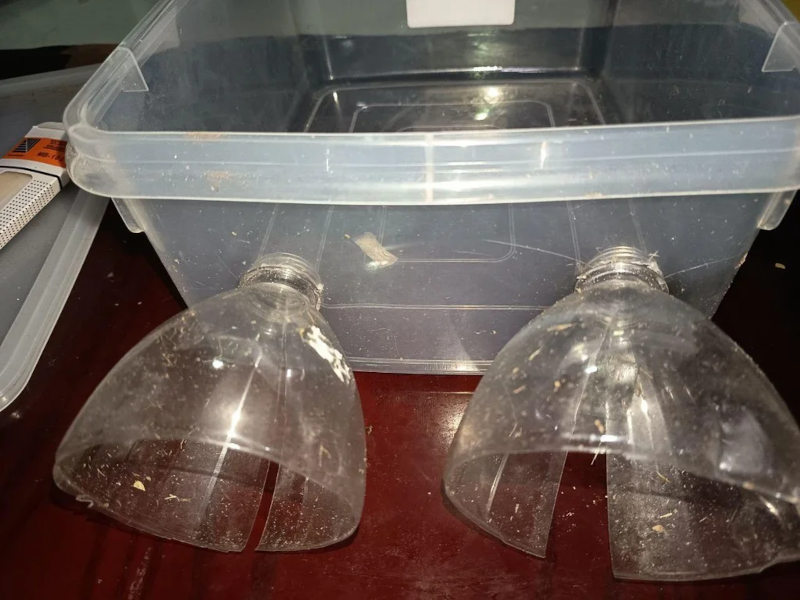
A notable aspect of this project is the use of recycled plastic containers to house the equipment. The protective tub includes PVC pipe and plastic covers for the sensors, cleverly fashioned from what appear to be the tops of drink bottles. This creative reuse of materials underscores an environmentally conscious approach to technology.
While the device is innovative, it does come with limitations. The power bank lacks a recharging provision, meaning the monitoring device can only operate for approximately two days before it requires maintenance and a fresh power supply. Depending on the specific requirements of the monitoring task, this may be a manageable constraint or necessitate an alternative power solution.
Performance Comparisons and Future Considerations
Although this setup may not match the performance of traditional monitoring systems, such as those housed in Hoffman boxes, it represents a significant step towards affordable environmental monitoring. The project showcases various methods for sealing equipment against the elements, an important consideration for any field monitoring device.
As environmental concerns continue to grow, innovative solutions like this project could play a crucial role in expanding access to data collection. The combination of low-cost technology and sustainable practices offers potential pathways for enhancing environmental awareness and response efforts globally.