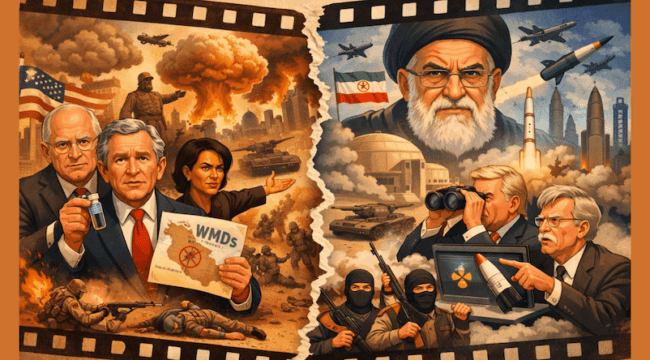
UPDATE: U.S. officials are raising alarms, claiming that Iran is just “a week away” from developing a nuclear weapon. This urgent declaration echoes the rhetoric from October 2002, when fears over Iraq’s weapons of mass destruction mobilized American troops and led to catastrophic consequences.
As tensions escalate, the Biden administration has claimed that Iran possesses enough material for 11 nuclear weapons and has long-range missiles capable of reaching the U.S. mainland. In a striking parallel to past military interventions, critics argue that the narrative surrounding Iran’s nuclear ambitions is fraught with uncertainty and political maneuvering.
The latest warnings come amidst reports that U.S. military operations against Iran may already be underway, with officials debating how far to escalate involvement. Reuters has confirmed that aides are currently weighing military options against Iranian facilities, raising grave concerns about the potential for a broader conflict.
This situation is particularly alarming given the historical context. Following the 2003 invasion of Iraq, which resulted in the deaths of 4,500 American soldiers and an estimated 150,000 to 1,000,000 Iraqi lives, many are questioning the validity of the current threat assessments. The past experience has left a significant mark on public sentiment, with skepticism towards government narratives regarding national security at an all-time high.
Officials now face intense scrutiny as they articulate the evolving military strategy against Iran. In a stark reminder of Iraq’s pre-war rhetoric, former National Security Advisor Condoleezza Rice previously stated, “We can’t wait for the smoking gun to be a mushroom cloud.” The same fears are being revived now, but critics are demanding clarity on what exactly constitutes a “decimated” nuclear program if Iran is reportedly still just days away from a bomb.
The urgency of the situation is compounded by the fact that the U.S. government has not provided a definitive answer regarding the status of Iran’s nuclear capabilities. As military actions unfold, there are fears that the objectives may shift, leading to a prolonged and costly engagement, similar to what was witnessed in Iraq.
This politically charged environment has led to an alarming incentive structure where overstating threats may play into electoral strategies. In a political climate where caution is seen as weakness, the narrative of an imminent threat gains traction, regardless of the underlying uncertainties.
As events develop, the question remains: how will the U.S. approach this complex geopolitical challenge? Will there be a clear strategy, or will the fog of war obscure the true objectives?
Public response is critical in this unfolding situation. Citizens are urged to engage and demand transparency from officials, especially given the haunting lessons from the Iraq War. The stakes are high, and the potential for a new conflict looms large as the world watches closely.
Stay tuned for updates as this situation develops. The implications of these actions are significant, both for American interests and for global peace. The time for clarity is NOW.