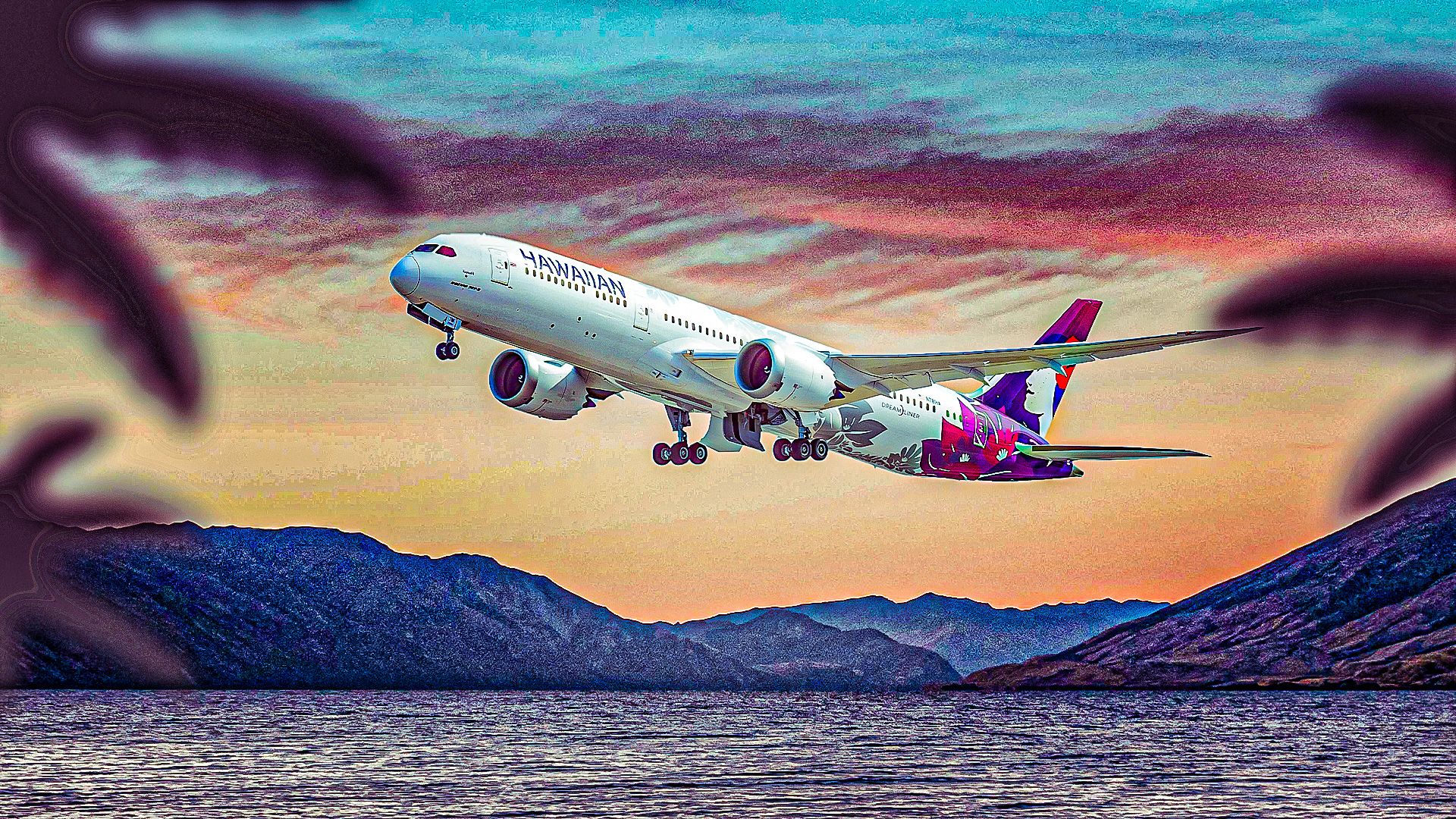
Hawaiian Airlines encountered significant backlash after a memo indicated plans to remove Hawaiian language terms to promote inclusivity. The memo, which circulated widely online, was criticized by community members who viewed it as a threat to the airline’s cultural identity. In response, Hawaiian Airlines clarified that the memo had been misworded and emphasized its commitment to retaining Hawaiian language elements within its operations.
In the wake of the uproar, the airline stated that while some policy names would change, key Hawaiian words such as Aloha, Mālama (care), Hoʻokipa (hospitality), and Poʻokela (excellence) would continue to be integral to its brand. The airline’s Cultural Relations Director, Debbie Nakanuela-Richards, explained that the intention behind the policy update was to align language with inclusivity while maintaining the essence of Hawaiian culture.
Correction and Commitment to Culture
Following the initial criticism, Hawaiian Airlines swiftly issued a correction. Nakanuela-Richards noted the importance of understanding the context behind statements, highlighting that the airline’s commitment to Hawaiian identity remains steadfast. “Often times when you see things at face value, you don’t see the totality of where a statement came from or where a comment came from,” she explained.
The Hawaiian language holds special status as an official language of the state of Hawaii, reinforcing the airline’s dedication to preserving its cultural heritage. Despite the miscommunication, Hawaiian Airlines aims to enhance its cultural practices through community outreach and educational programs. The airline supports Hawaiian immersion schools and offers language certification programs for flight attendants, ensuring that Hawaiian language and culture are celebrated.
Strategic Growth Following Acquisition
Hawaiian Airlines was acquired by Alaska Air Group in September 2024 for $1.9 billion, a move that positioned the combined airlines as one of the largest carriers on the West Coast of the United States. This acquisition not only aims to enhance operational efficiency but also to preserve the unique identities of both airlines. The integration includes a shared frequent flyer program while maintaining distinct brand elements.
The merger has strategic implications for both airlines. Alaska Airlines plans to expand into new international markets, leveraging Hawaiian Airlines’ long-haul capabilities, including its widebody aircraft. This combination allows both carriers to serve over 140 destinations across Asia, Oceania, North America, and Europe, with a fleet totaling 443 aircraft, according to ch-aviation.
The recent controversy highlights the delicate balance between operational changes and cultural identity in the airline industry. Hawaiian Airlines remains committed to enriching its brand through the continued use of the Hawaiian language and cultural values, even as it navigates the complexities of its new relationship with Alaska Air Group.